How Google's Universal Commerce Protocol (UCP) is Changing Online Shopping
and 5 Steps to Prepare Your Business
For more than two decades, businesses have invested heavily in Search Engine Optimization (SEO). The goal was simple: rank higher on Google, attract more visitors, and convert those visitors into customers.
Today, that model is beginning to change.
Instead of browsing multiple websites, comparing products, and reading dozens of reviews, customers are increasingly asking AI assistants to do the work for them.
What is Universal Commerce Protocol (UCP)?
Google describes Universal Commerce Protocol (UCP) as an open standard that allows AI systems to interact with online stores in a consistent way.
In Plain English:
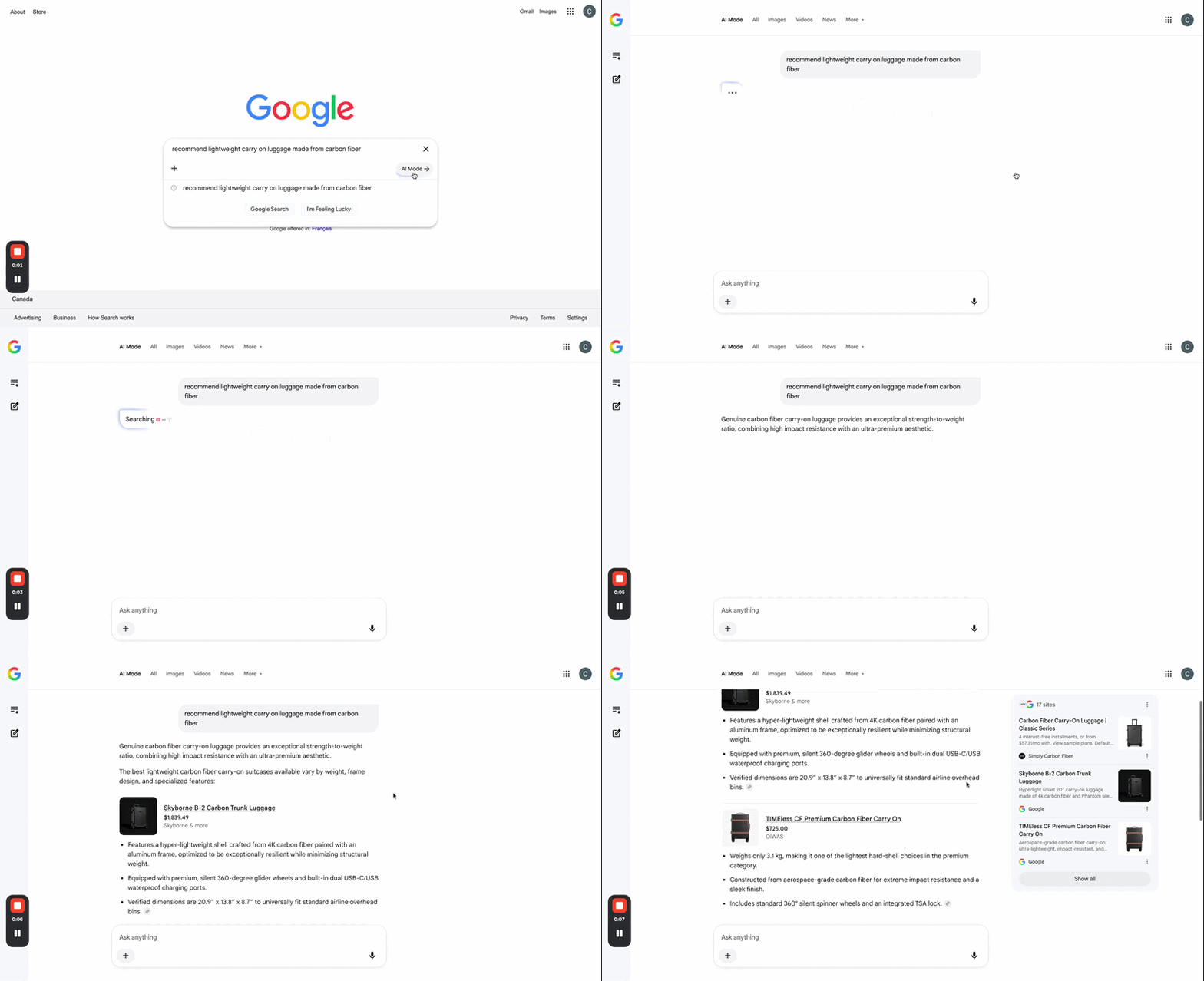
When people search for products, Google will show them results that it can identify using AI.
Instead of showing a list of sites that sell a specific product, it will give 4 or 5 recommendations in the AI result box, essentially making traditional search results irrelevant
Why Does UCP Matter?
The way customers shop online is changing.
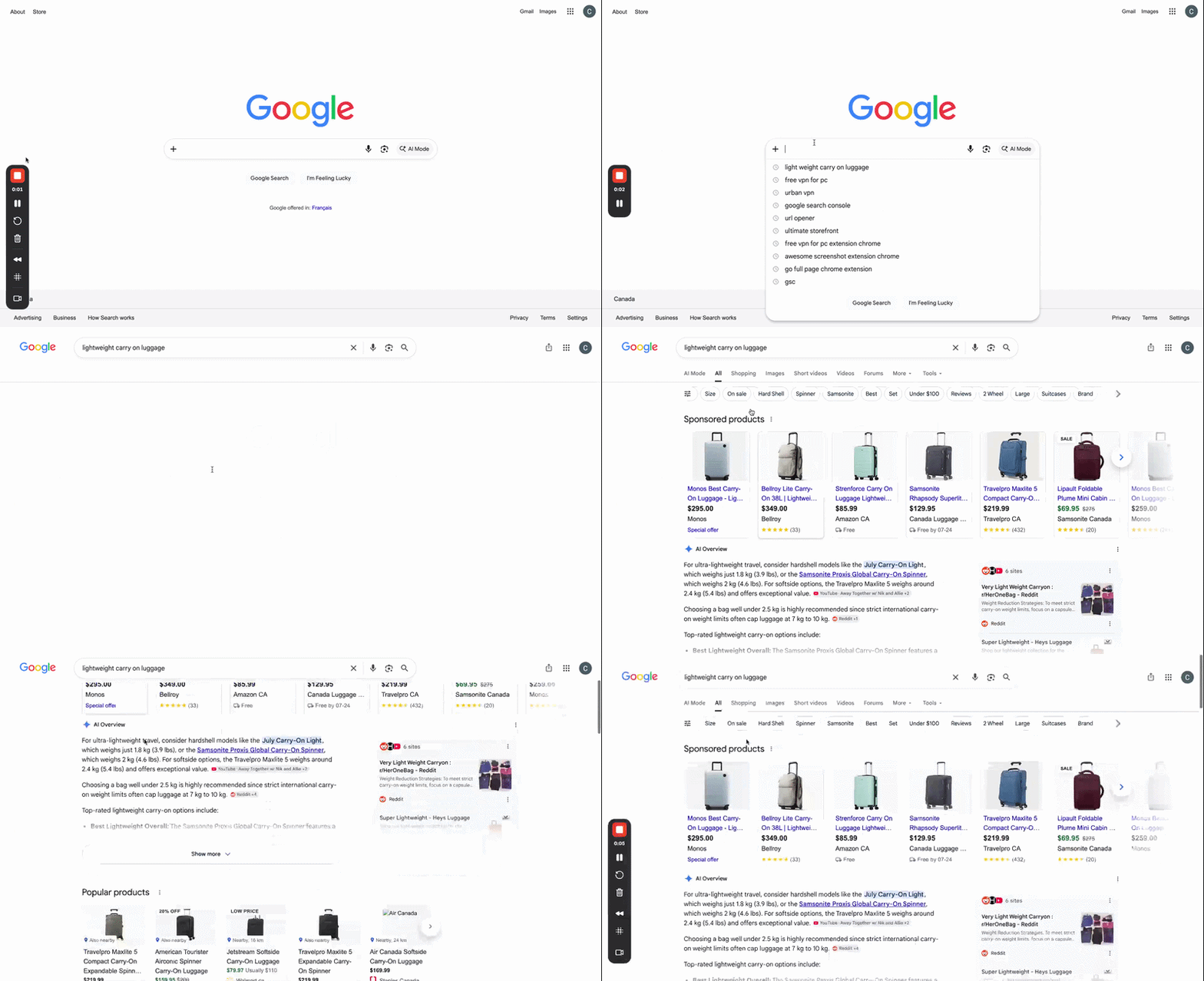
How customers shopped Yesterday:
- Search Google
- Visit multiple websites
- Compare products
- Read reviews
- Make a purchase
How customers shop Today:
- Ask AI
- Receive a handful of recommendations
- Purchase
As AI becomes more capable, customers will spend less time browsing websites and more time relying on AI to narrow their options.
For businesses, this means your products must be understandable—not just to people, but to AI.
So yeah… this REALLY IS A BIG DEAL!
The Bigger Shift
Universal Commerce Protocol isn’t simply another technical standard.
It reflects a broader shift in how products are discovered online.
For years, businesses competed for website traffic. Now they’ll increasingly compete to be included in AI-generated recommendations.
Whether customers are using Google Search, Gemini, ChatGPT, or other AI assistants, product discovery is becoming more conversational.
Businesses that prepare early will be better positioned as these technologies continue to evolve
In other words…. GET YOUR SITE IN ORDER before it’s too late
How to Prepare Your Website for UCP
Preparing your website isn’t just about enabling a protocol. It’s about making your products easier for AI to understand.
1. Verify if your eCommerce Platform Supports UCP
Start by checking whether your eCommerce platform supports UCP or plans to support it.
Questions to ask:
- Is UCP available?
- Is an extension required?
- Is your platform version compatible?
- Are customizations supported?
2. Fix/Improve Your Product Data
Detailed product information has never been more important.
Why?
Because customers don’t ask AI the way they search Google.
They don’t type:
“Modern ceiling light.”
Instead, they’ll ask:
“Recommend a modern silver LED ceiling light for my living room that’s dimmable, suitable for a 15′ × 20′ room, and under $300.”
AI can only recommend products based on the information it knows.
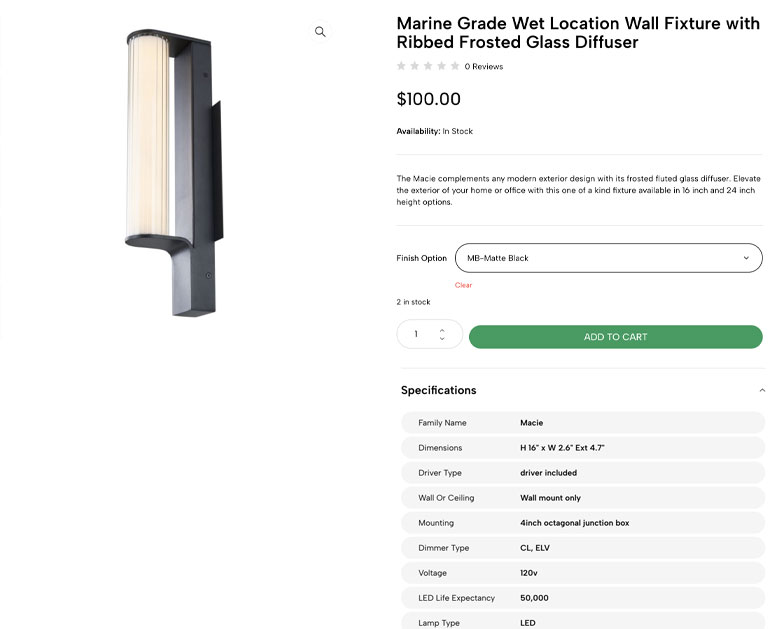
If your product page doesn’t mention these details—even if your product meets the requirements—AI may never consider it.
On EVERY product, make sure to include:
- Complete specifications
- Materials
- Dimensions
- Industry applications
- Certifications
- Compatibility
- Replacement products
The more context AI has, the more accurately it can recommend your products.
3. Add Conversational Product Attributes
Customers don’t think in SKU numbers.
They ask questions.
Instead of simply listing technical specifications, explain:
- Who the product is for
- What problem it solves
- Where it is commonly used
- Which industries benefit
- Common installation scenarios
This helps AI connect your products to natural language searches.
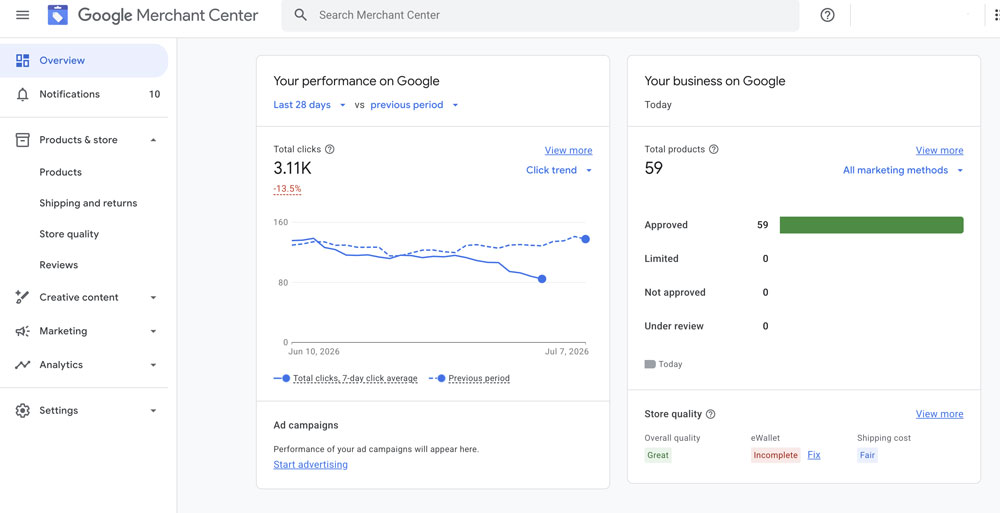
Pro Tip: If you’re using Google Merchant Center, many of these product attributes and highlights can be added directly to your product feed, helping Google better understand and describe your products.
The more context you provide, the easier it is for AI to determine whether your product is the right recommendation.
4. Collect Customer Reviews
There’s no shortcut here.
If you haven’t been actively collecting customer reviews, now is the time to start.
And by real reviews, we mean reviews that are verified by a trusted third-party platform such as Google, Trustpilot, Judge.me, Yotpo, or similar services.
Simply adding testimonials to your website with a text editor isn’t enough. AI is becoming better at recognizing trusted, verifiable sources of information.
Yes, asking customers for reviews can be uncomfortable. It takes time, persistence, and follow-up. But it’s one of the most valuable investments you can make. Authentic reviews build trust with both potential customers and AI systems evaluating your business.
5. Reddit: Your Secret Weapon
We’ve saved the best tip for last.
If there’s one platform that can help your brand get discovered by AI, it’s Reddit.
Major AI platforms frequently reference Reddit discussions because they’re filled with real questions, real experiences, and genuine recommendations from actual people.
But there’s one important rule…
Don’t treat Reddit like another advertising platform.
The Reddit community is quick to spot self-promotion, and users who repeatedly promote their own business are often ignored, downvoted, or banned from communities.
Treat UCP as a limited time opportunity
It’s easy to read this and think: “Great… another thing I have to worry about.”
Don’t.
This is an opportunity.
Most businesses won’t pay attention to AI commerce until they notice their website traffic declining or their competitors consistently appearing in AI recommendations. By then, they’ll be playing catch-up.
Today, the playing field is still relatively level.
That gives early adopters a rare advantage.
Just like the businesses that embraced SEO in the early 2000s dominated search results for years, the companies that prepare for AI commerce today have the opportunity to build a lasting competitive advantage.
You don’t need to overhaul your entire website overnight.
Start with the fundamentals:
- Verify your platform supports UCP.
- Improve your product data.
- Collect authentic customer reviews.
- Build your brand’s authority.
- Create content that answers real customer questions.
Small improvements made today could have a significant impact as AI becomes a bigger part of how customers discover and buy products.
The businesses that prepare now won’t just be ready for AI—they’ll be the ones AI recommends.
References: Introducing the Universal Cart and more ways to help you shop